
Real-Time AI Translation: How Are Machine Translation Errors Overcome?
This article explores the core technology of Hudson Live, which completely prevents machine translation errors that can ruin global events and translates even the most complex technical terms in just 0.6 seconds.
- A single absurdly mistranslated subtitle on an event screen can turn a carefully prepared presentation into an awkward moment in seconds. The potential financial losses only add to the damage.
- How do the AI real-time interpretation solutions used by global tech companies handle this challenge?
- Discover the technology that recognizes complex medical and IT terminology in just 0.6 seconds and delivers natural multilingual subtitles and speech—without expensive interpretation booths or complicated equipment.
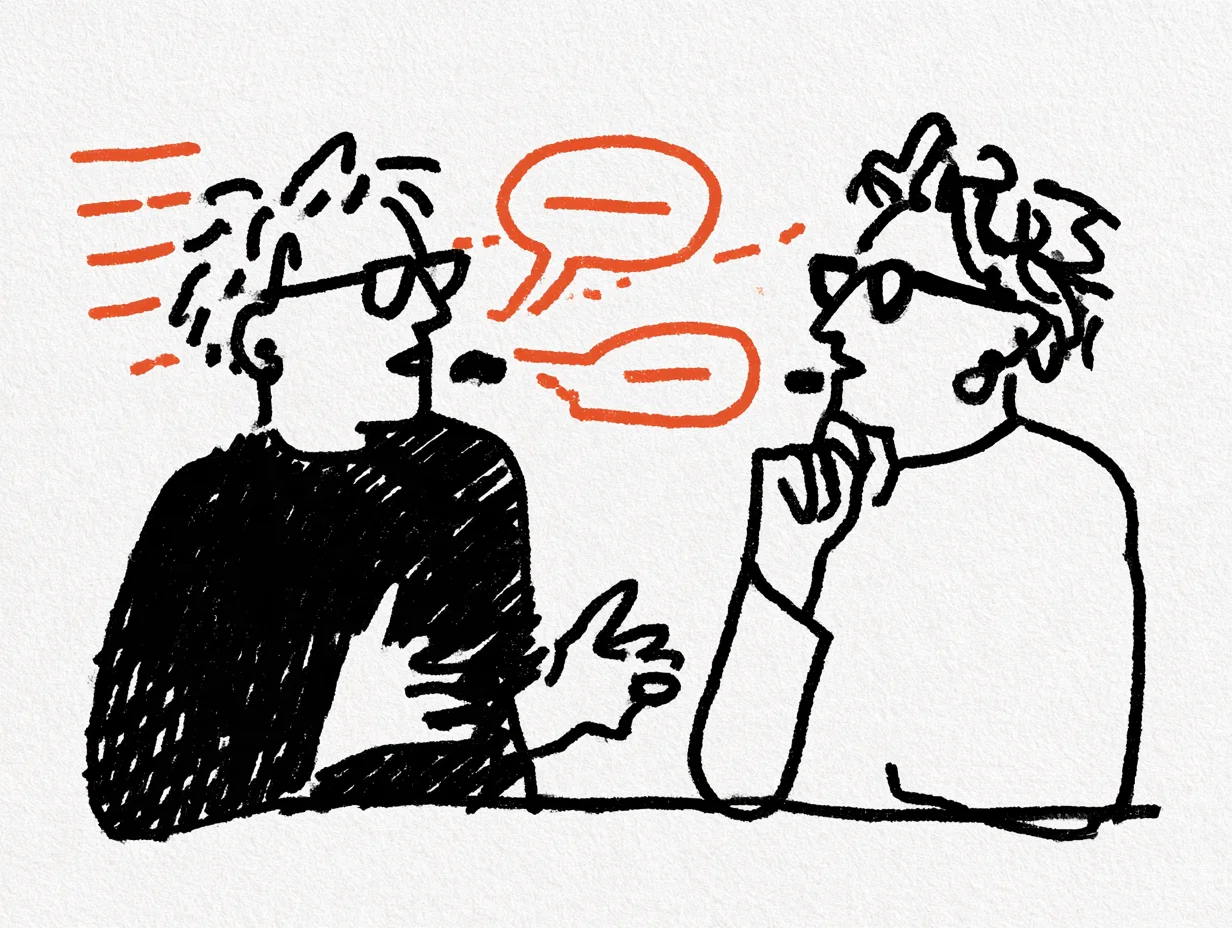
At an international oncology conference in Seoul, a keynote speaker was explaining the latest tumor resection techniques. “During this operation…” the speaker began. Yet the live subtitles on the large screen unexpectedly referred to “business operations.” When the system then misheard “tumor” as “rumor,” an awkward silence fell over the audience. Backstage, the event planner broke into a cold sweat.
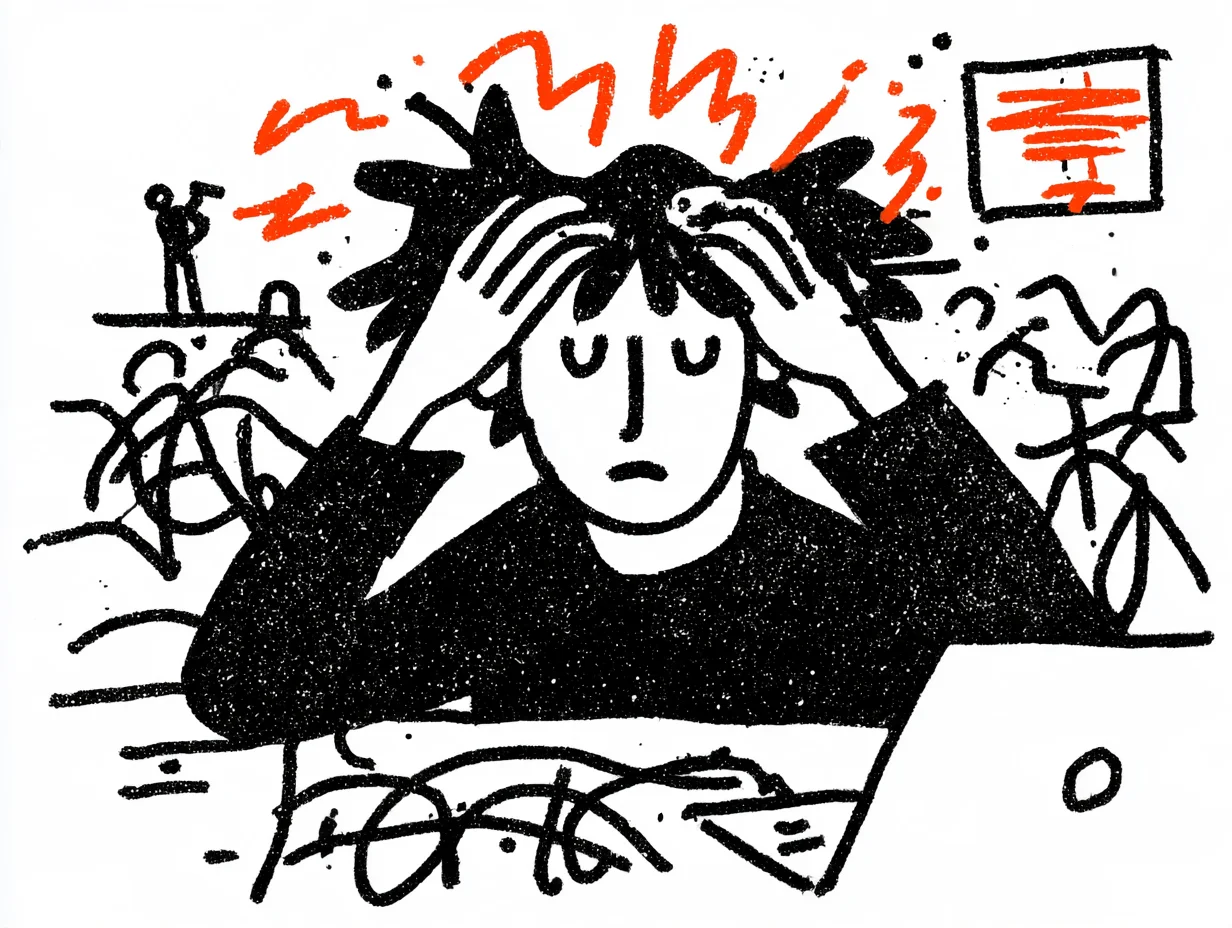
🚨 Where Machine Translation Falls Short at Specialized Conferences
AI translation tools that perform well in everyday conversations can struggle at B2B events that demand highly specialized knowledge. A persistent limitation is their tendency to substitute words literally without accounting for context.
They might translate “Apple” as the fruit or turn a project acronym known only to an internal development team into an unrelated common noun. With recorded video, incorrect subtitles can simply be removed and rewritten during editing. At a live broadcast, however, there is no time to make corrections, and mistranslations immediately undermine the quality of the event. Solutions that cannot distinguish similar-sounding words or resolve ambiguous terms in context inevitably lose the confidence of corporate event organizers.
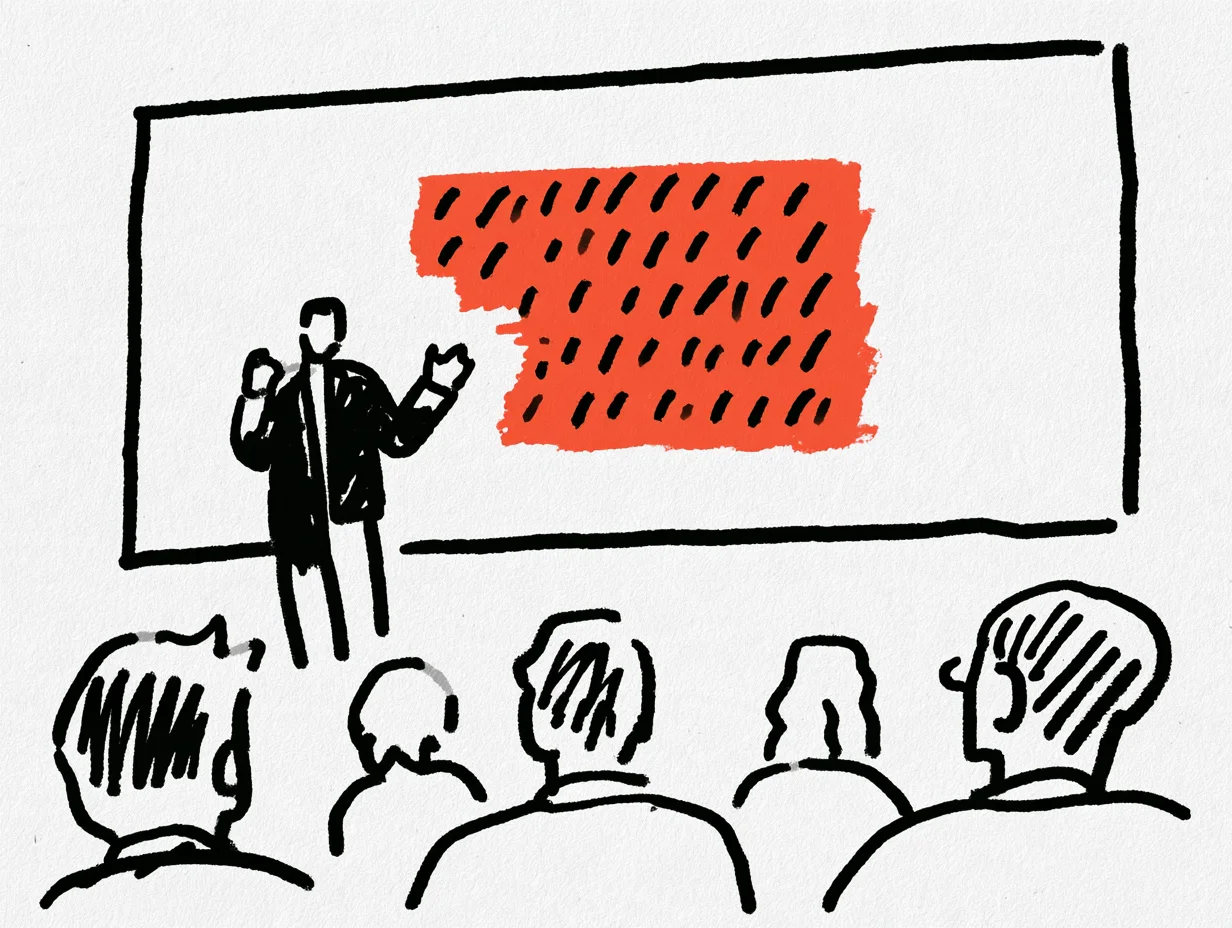
🧠 Preparing the AI with Context, Not Just a Word List
Hudson Live addresses this challenge through domain-specific preparation, rather than relying solely on improvements to general-purpose AI. Before an event, organizers provide presentation materials, scripts, and internal glossaries, which are fed into the AI engine.
Using these materials, the engine establishes the context of the relevant industry. At the medical conference described above, for example, it adjusts its recognition and translation behavior to interpret “operation” as surgery rather than business operations. This goes beyond memorizing individual words: it gives the AI a foundation in the event’s subject matter and industry context.
This preparation also helps when a speaker’s pronunciation is slightly unclear or technical terms are spoken quickly. The AI cross-references incoming speech with the glossary database prepared in advance, automatically correcting subtitles to reflect the intended terminology—even within a streaming latency of just 0.6 seconds. It is a sophisticated filtering process that catches mistranslations while maintaining speed.
⚖️ Balancing Interpretation Quality and Cost Savings
AI real-time translation prepared with event-specific context changes the experience for everyone in the room. Even complex architecture terminology and English acronyms at developer conferences can appear as natural multilingual subtitles, with the fluency of an experienced developer interpreting the session.
This technical reliability creates practical opportunities for event planners to reduce costs. It substantially eases the premium staffing costs traditionally associated with hiring multiple simultaneous interpreters specializing in medicine, IT, or law. It also makes it possible to support dozens of languages simultaneously and reliably without expensive on-site interpretation booths or rented receivers.
Accuracy is essential to communicating information in a live broadcast. On a specialized stage where a single word can shape the perceived quality of an event, organizers cannot leave success to the unpredictable output of general-purpose machine translation. Customized AI translation that understands the event and its industry before taking the stage has become a safe, practical alternative for global B2B events.
If you need a specialized live interpretation solution that accurately translates your industry’s terminology, visit Hudson Live to explore technology demos and customer use cases.

Run your next event without booths or receivers
Tell us your event name, dates, expected headcount, and target languages, and our team will put together the plan that fits.